If you’re a plumber, you’ve probably heard someone say the trades are making a comeback. But here’s the thing—they never really left. What has changed is how much the world values what you do. Right now, we’re living through what I’d call the golden age for skilled tradespeople, and plumbers are right at the center of it all.
Countries around the globe are facing critical shortages of qualified plumbers. From Sydney to London, Toronto to Dubai, governments and private companies are scrambling to fill positions that keep water flowing, systems running, and buildings habitable. The result? Salaries that would have seemed impossible just a decade ago, with experienced plumbers now commanding compensation packages that rival—and often exceed—what many white-collar professionals earn.

1.2 Unlocking International Opportunities
What makes this moment truly unprecedented isn’t just the money—it’s the opportunity to combine financial success with life-changing experiences abroad. Imagine working in Australia, where plumbers can earn upwards of $150,000 annually while enjoying world-class beaches on weekends. Or consider the UK, where visa sponsorship programs are actively recruiting skilled tradespeople to address nationwide infrastructure needs.
These aren’t temporary gigs or exploitative contracts. We’re talking about legitimate, employer-sponsored positions that come with full benefits, legal work permits, and often a clear pathway to permanent residency. For plumbers willing to take the leap, the international job market has never been more accessible or rewarding.
2. Understanding the Global Demand
2.1 The Shortage Occupation List Explained
You might be wondering why countries are so desperate for plumbers that they’re willing to pay premium wages and sponsor visas. The answer lies in something called the Shortage Occupation List—a government-maintained roster of professions experiencing critical worker shortages.
In the UK, plumbers appear prominently on the official Shortage Occupation List, which means employers can hire from overseas with streamlined visa processes. Australia maintains a similar skilled occupation list where plumbing trades consistently feature. Canada’s Express Entry system actively prioritizes skilled tradespeople through its Federal Skilled Trades Program.
💡 Key Insight: Being on a shortage occupation list doesn’t just make it easier to get a visa—it often means faster processing times, reduced bureaucratic hurdles, and better negotiating power when discussing salary and benefits with potential employers.

2.2 Why Countries Are Recruiting Internationally
The skilled trades shortage isn’t just a temporary blip—it’s the result of decades-long demographic and economic trends. Many developed nations face aging workforces, with large numbers of experienced tradespeople retiring faster than younger workers can replace them. At the same time, construction booms, infrastructure modernization projects, and stricter building codes have increased demand for qualified plumbers.
Australia, for example, has committed billions to infrastructure development but faces a shortfall of approximately 90,000 construction workers, including thousands of plumbers. The UK’s housing crisis has created similar pressures, with new builds requiring skilled installation and existing properties needing modernization. These aren’t problems that will resolve themselves anytime soon, which means opportunities for international plumbers will remain strong for years to come.
$150K
Top Annual Salaries
90K+
Worker Shortage (AU)
50+
Countries Hiring
3. Visa Sponsorship and Immigration Pathways
3.1 The Skilled Worker Visa
The Skilled Worker Visa is your ticket to working legally in countries like the UK. This visa replaced the old Tier 2 system and is designed specifically for people with job offers in shortage occupations—which includes plumbers. To qualify, you’ll need a job offer from an approved sponsor, meet minimum salary thresholds (typically around £26,000 annually, though this varies), and demonstrate English language proficiency.
What makes the Skilled Worker Visa particularly attractive is its flexibility. It’s typically valid for up to five years and can be extended. Even better, after five years of continuous residence, many visa holders become eligible to apply for permanent settlement, known as Indefinite Leave to Remain in the UK.
3.2 Employer Sponsored Work Permits
An employer-sponsored work permit is exactly what it sounds like—a company sponsors your application to work in their country. This arrangement creates a legal relationship where the employer essentially vouches for you, confirming that they need your skills and can’t find a local worker to fill the position.
In Australia, the Temporary Skill Shortage (TSS) visa operates on this principle. Employers nominate you for a specific position, and if approved, you can work for them for up to four years. Many sponsored workers eventually transition to permanent residency through the Employer Nomination Scheme. The key advantage here is that the employer handles much of the paperwork and associated costs, making the process less burdensome for you.
Important Note: Different countries have different sponsorship requirements. In Canada, the Labour Market Impact Assessment (LMIA) process requires employers to prove they couldn’t find a Canadian citizen for the job before sponsoring an international worker. Understanding these nuances is crucial when evaluating job offers.
Read Also : Oil and Gas Companies Hiring Engineers in the UK With Work Visa
3.3 Diverse Immigration Pathways
Beyond employer sponsorship, several alternative immigration pathways exist for skilled plumbers. Canada’s Express Entry system uses a points-based approach that rewards factors like age, education, work experience, and language skills. Plumbers with several years of experience and strong English or French proficiency can score high enough to receive an Invitation to Apply for permanent residence.
Australia’s state nomination programs offer another route. States facing acute shortages can nominate skilled workers for visas, sometimes with relaxed requirements. For instance, regional areas experiencing rapid growth may offer additional points or benefits to tradespeople willing to work outside major cities.
3.4 When to Consult Immigration Lawyers
International immigration law is complex, and stakes are high. A single mistake on your application can result in delays, rejections, or even temporary bans from reapplying. This is where immigration lawyers become invaluable.
Consider consulting an immigration lawyer if you’re navigating complicated situations—perhaps you have gaps in your work history, previous visa refusals, or unusual qualifications. Immigration lawyers can also help if you’re weighing multiple pathways and need expert advice on which route offers the best chance of success. Yes, legal fees add to your upfront costs, but the investment often pays for itself by avoiding costly mistakes and expediting your application.
4. Essential Qualifications and Standards
4.1 Trade Certification Requirements
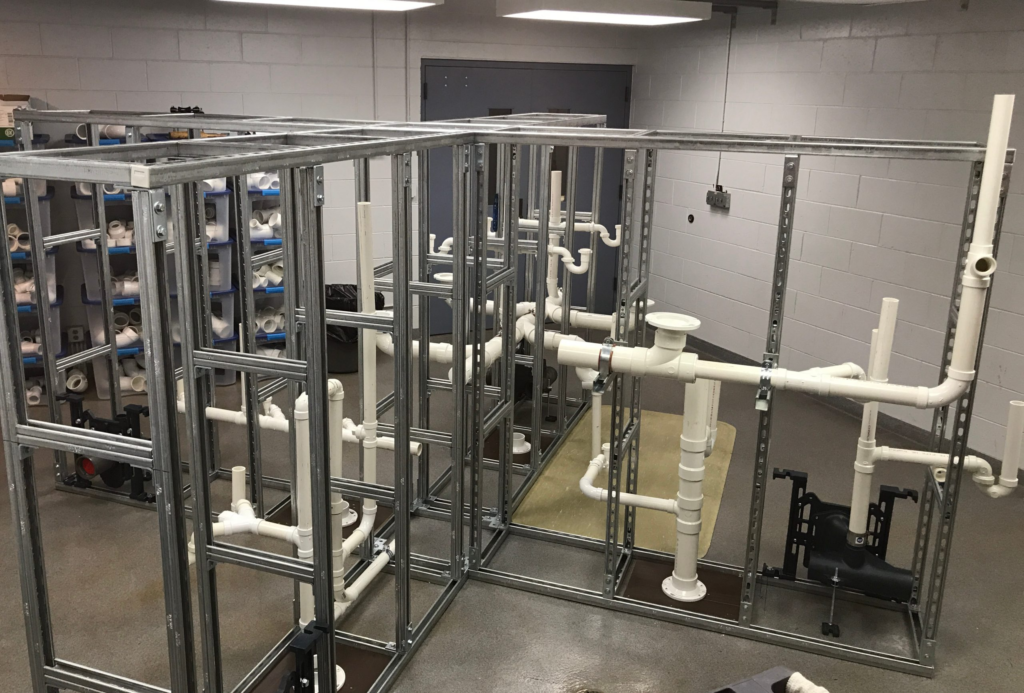
Your plumbing certification from home might be impressive, but foreign countries need to verify that your training meets their standards. This is where trade certification requirements come into play. Most destination countries require what’s called a skills assessment—an independent evaluation of your qualifications conducted by a recognized authority.
In Australia, Trades Recognition Australia (TRA) conducts these assessments for tradespeople. You’ll submit documentation proving your qualifications and work experience, and TRA will determine if they’re equivalent to Australian standards. Similarly, the UK requires plumbers to demonstrate competency through recognized qualifications, often requiring additional assessments if your original training doesn’t align perfectly with British standards.
4.2 Licensing & Registration
Here’s something many plumbers don’t realize until they’re deep in the process—getting your visa is only half the battle. Before you can legally work as a plumber in most countries, you need local licensing and registration. This isn’t just bureaucratic red tape; it ensures you understand local building codes, safety regulations, and plumbing standards that may differ significantly from what you learned at home.
In Australia, each state and territory has its own licensing requirements. Victoria, for example, requires plumbers to register with the Victorian Building Authority and demonstrate knowledge of local plumbing codes. The UK requires Gas Safe registration if you’ll be working with gas installations—a non-negotiable requirement that carries legal penalties if violated.
Budget both time and money for this process. Licensing often involves fees, examinations, and sometimes practical assessments. Some employers will support you through this process, but confirm this before accepting a position.
4.3 Navigating Certification Programs
When your home qualifications don’t quite match foreign standards, certification programs bridge the gap. These are specialized courses designed to bring international tradespeople up to local standards without requiring them to repeat years of apprenticeship.
Many trade schools and technical colleges offer “gap training” programs specifically for international plumbers. These might cover local code requirements, region-specific installation techniques, or additional skills like gas fitting. Certification programs typically run from a few weeks to several months and often culminate in examinations that, once passed, satisfy local licensing requirements.
Research available certification programs early in your planning process. Some countries even allow you to complete preliminary coursework online before arriving, streamlining your transition into the workforce.
5. Education and Training Foundations
5.1 The Value of Apprenticeship Programs
If you completed a formal apprenticeship program, congratulations—you’re holding a golden ticket in the international job market. Apprenticeship programs are universally recognized as the gold standard for plumbing education, combining hands-on experience with theoretical knowledge in a structured, supervised environment.
When evaluating international candidates, employers and immigration authorities view completed apprenticeships as strong evidence of competency. A four-year apprenticeship that included both classroom instruction and practical training under licensed supervision carries far more weight than informal on-the-job experience alone, even if you’ve been working for decades.
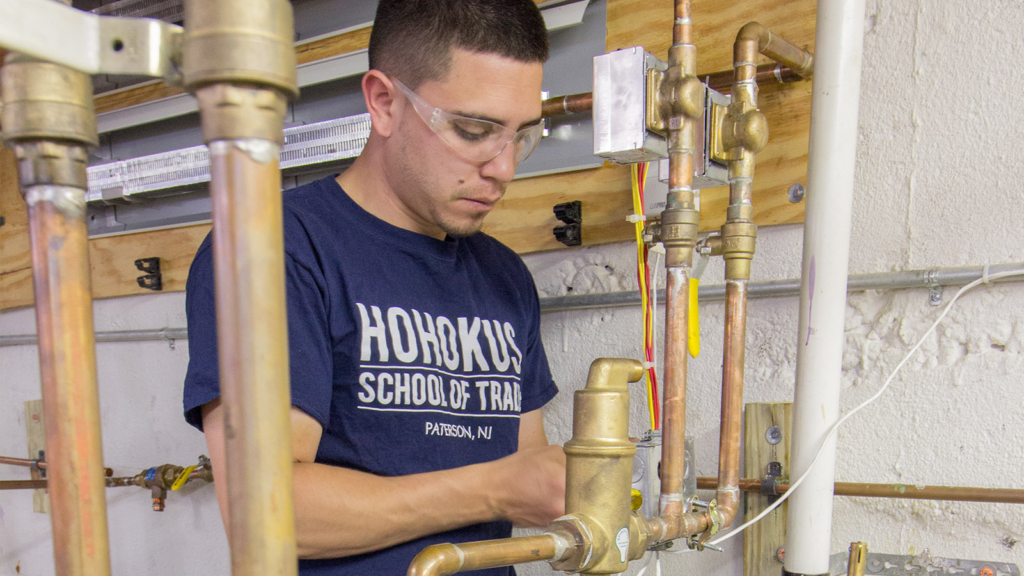
💡 Pro Tip: If you learned your trade informally or through a non-traditional pathway, don’t despair. Many countries offer Recognition of Prior Learning (RPL) programs where you can demonstrate your skills through practical assessments, potentially earning equivalent qualifications to formal apprenticeships.
5.2 The Role of Trade Schools
Trade schools do more than teach you how to fix a leaky faucet—they provide verifiable credentials that immigration authorities trust. When assessing your application, officials look for documented proof of training from recognized institutions. A certificate from an established trade school carries institutional credibility that informal training can’t match.
Moreover, many international employers have relationships with specific trade schools and actively recruit their graduates. Attending a well-regarded institution can open doors through alumni networks and industry connections that extend across borders. If you’re early in your career or considering additional training, research trade schools that have international recognition and partnerships with overseas employers.
6. Securing Your Position Abroad
6.1 Leveraging Recruitment Agencies
Finding international employment on your own can feel like navigating a maze blindfolded. This is where recruitment agencies specializing in skilled trades become your best ally. These agencies maintain relationships with employers across multiple countries, understand visa requirements intimately, and can match your skills with suitable positions.
Reputable recruitment agencies handle much of the legwork—advertising your profile to potential employers, arranging interviews, and sometimes even assisting with visa applications. Many operate on a commission basis paid by the employer, meaning their services cost you nothing. However, be cautious of agencies charging excessive upfront fees or making unrealistic promises.
How to Choose a Recruitment Agency: Look for agencies with proven track records in placing tradespeople internationally. Check online reviews, ask for references from previous placements, and verify they’re licensed or accredited by relevant professional bodies. Legitimate agencies are transparent about their processes and won’t pressure you into hasty decisions.
6.2 Preparing for the International Job Market
Your resume might be perfect for landing jobs locally, but the international market demands a different approach. Start by creating a skills-based resume that emphasizes your technical competencies—pipe fitting, drain installation, water heater expertise, gas line work, and any specialized areas like commercial plumbing or green technology installations.
Quantify your experience wherever possible. Instead of saying “extensive commercial experience,” specify “installed plumbing systems in 15+ commercial buildings totaling over 200,000 square feet.” International employers want concrete evidence of your capabilities, especially since they can’t easily verify your reputation locally.
Build a professional portfolio documenting your best work. Quality photographs of complex installations, before-and-after renovation projects, or specialized systems you’ve installed provide visual proof of your skills. If you have any commendations, safety certifications, or specialized training, include documentation.
“The plumbers who succeed internationally are those who treat their job search as seriously as their trade. Professional presentation, clear communication, and thorough preparation separate candidates who get offers from those who don’t.” – International Trades Recruitment Specialist
Don’t overlook the importance of English language proficiency. Most destination countries require proof of English skills through standardized tests like IELTS. Even if you’re conversational in English, taking time to prepare for these exams and achieve strong scores significantly strengthens your application.
Ready to Take the Next Step?
The opportunities for skilled plumbers to work abroad have never been more accessible. With proper preparation, the right qualifications, and a willingness to embrace new experiences, you could be earning up to $150,000 while building a life in an exciting new country. The question isn’t whether these opportunities exist—they absolutely do. The question is whether you’re ready to seize them.
7. Conclusion
7.1 Seizing the Opportunity
We’re living in an extraordinary time for skilled tradespeople. The global shortage of qualified plumbers has created a seller’s market where experienced professionals can command salaries that once seemed impossible. Countries around the world aren’t just welcoming skilled plumbers—they’re actively recruiting them through streamlined visa programs, employer sponsorship opportunities, and pathways to permanent residency.
The journey from where you are now to working abroad isn’t necessarily easy. You’ll need to navigate trade certification requirements, understand licensing and registration processes, potentially upgrade your qualifications through certification programs, and work through the complexities of immigration pathways. You might need to consult immigration lawyers, work with recruitment agencies, and invest time in preparing for the international job market.
But here’s the thing—every plumber who has successfully made this transition started exactly where you are now. They had the same questions, faced the same uncertainties, and overcame the same obstacles. What separated them from those who only dreamed about international opportunities was the decision to actually pursue them.
Whether you’re drawn by the financial rewards, the adventure of living in a new country, or the professional challenge of working in different environments, the opportunity is real and available. Your skills are in demand. The pathways are established. The only remaining question is whether you’re ready to take that first step.
If you’ve read this far, chances are you’re seriously considering it. Trust your skills, do your research, prepare thoroughly, and don’t be afraid to seek help from trade schools, certification programs, and professionals who specialize in international placement. Your career as an international plumber could begin sooner than you think.
About This Guide
This comprehensive guide was created to help skilled plumbers understand and navigate the opportunities available for international work with visa sponsorship. The information provided reflects current immigration policies and market conditions as of 2026, though specific requirements may vary by country and change over time. Always verify current requirements with official immigration authorities and licensed professionals.