Keeping an eye on job opportunities in Canada? you’ve probably noticed something interesting: the logistics and warehousing sector is absolutely exploding. E-commerce has transformed how Canadians shop, and with that transformation comes an urgent need for skilled workers who can keep the supply chain moving smoothly.
Right now, Canada is experiencing a critical shortage of qualified forklift operators. Major distribution centers are expanding across provinces like Ontario, British Columbia, and Alberta, and companies are scrambling to find certified professionals who can operate heavy equipment safely and efficiently. This isn’t just a temporary trend—it’s a fundamental shift in how Canada’s economy operates.
What makes this particularly exciting for international workers is that Canadian employers aren’t just looking locally anymore. They’re actively recruiting skilled operators from around the world, offering competitive salaries and even sponsoring work visas. The demand is so strong that many warehouses and distribution centers are running multiple shifts just to keep up with orders.
1.2 The $85K Opportunity
Let’s talk numbers, because this is where things get really interesting. When people hear about forklift operators earning $85,000 per year in Canada, some might think it’s too good to be true. But here’s the reality: experienced operators working in specialized roles, particularly in high-demand regions, can absolutely reach and even exceed this earning potential.
This figure isn’t just about showing up and driving a forklift for eight hours a day. The operators commanding these salaries typically have several things in common: they hold multiple certifications, they’re willing to work various shifts, and they understand the value of overtime. They’ve also positioned themselves in industries that pay premium rates, such as automotive manufacturing, pharmaceutical distribution, and refrigerated warehousing.
$85K
Annual Earning Potential
24/7
Operations Available
1.5x-2x
Overtime Pay Rates
The base hourly rate for certified forklift operators in Canada typically ranges from $20 to $28 per hour, depending on location and experience. But when you factor in shift premiums for nights and weekends, overtime opportunities, and specialized equipment bonuses, that’s when the total compensation really starts to climb. Some operators working in remote locations or handling hazardous materials can push their earnings even higher.
2. Essential Certifications and Licensing
2.1 Mastering Industrial Equipment Licensing
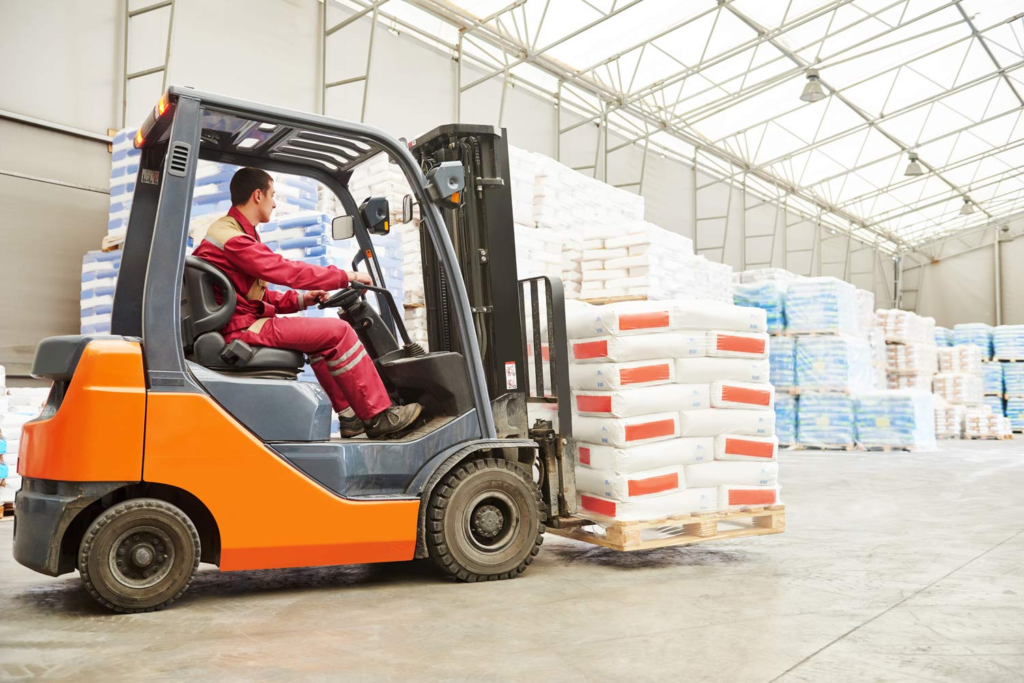
Before you can even think about landing that high-paying job, you need to understand Industrial Equipment Licensing requirements in Canada. Unlike a regular driver’s license, forklift certification isn’t standardized across the entire country. Each province has its own occupational health and safety regulations, though the core principles remain consistent.
In most Canadian provinces, you’ll need to complete a training program that covers both theoretical knowledge and practical operation. This typically includes classroom instruction on load capacity, stability principles, and workplace hazards, followed by hands-on training with actual equipment. The training usually takes between one to five days, depending on your prior experience.
What many international workers don’t realize is that your certification from another country might not automatically transfer to Canada. You’ll likely need to complete a Canadian-recognized training program, even if you’ve been operating forklifts for years elsewhere. However, your experience will definitely help you pass the practical evaluation more quickly.
2.2 The Importance of OSHA Forklift Certification
Here’s where things get interesting for international applicants. While OSHA (Occupational Safety and Health Administration) is technically a United States agency, OSHA Forklift Certification has become something of a gold standard in North America. Many Canadian employers, especially those with operations on both sides of the border, highly value OSHA-compliant training.
Canadian safety regulations are actually quite similar to OSHA standards, and having OSHA certification on your resume demonstrates that you understand North American safety culture. Some larger employers, particularly multinational corporations operating in Canada, specifically look for candidates with OSHA-compliant training because it aligns with their corporate safety protocols.
Pro Tip for International Applicants
If you’re planning to immigrate to Canada for forklift work, consider getting OSHA certification before you arrive. It’s often more affordable in some countries, and it gives you a competitive edge when applying for jobs. Just make sure you’re also prepared to complete any provincial-specific training requirements once you land in Canada.
2.3 Warehouse Safety Compliance Standards
Canadian employers take Warehouse Safety Compliance incredibly seriously, and for good reason. Workplace safety incidents not only harm employees but can also result in massive fines, production shutdowns, and legal liability for companies. This is why demonstrating thorough knowledge of safety protocols can make you stand out from other applicants.
Modern Canadian warehouses operate under strict safety regulations that cover everything from proper load securing to pedestrian awareness. You’ll need to understand concepts like the stability triangle, load center of gravity, and traveling with loads. Many facilities also require knowledge of WHMIS (Workplace Hazardous Materials Information System), especially if you’ll be handling chemicals or hazardous materials.
The best candidates don’t just know the rules—they can articulate why these safety measures matter. When you’re interviewing for positions, being able to discuss real-world safety scenarios and how you’ve handled them shows employers you’re serious about maintaining a safe workplace. This is particularly important for higher-paying positions where you might be responsible for training others or working independently.
3. Your Ticket to Canada: Immigration Pathways

3.1 Understanding the Skilled Worker Visa
The Skilled Worker Visa pathway is your gateway to working legally in Canada as a forklift operator. Now, let’s clear up some terminology first: Canada doesn’t technically have a visa called the “Skilled Worker Visa” for temporary workers. What you’re actually looking for is either a Temporary Foreign Worker Program (TFWP) work permit or potentially a pathway to permanent residency through programs like Express Entry.
For forklift operators, the most common route is through the TFWP, where a Canadian employer sponsors you for a work permit. Under Canada’s National Occupational Classification (NOC) system, forklift operators typically fall under NOC code 7452 (Material handlers). This is classified as a skilled trade, which is good news because it opens up various immigration pathways.
To qualify for a work permit, you’ll need several key things: a valid job offer from a Canadian employer, proof that you meet the job requirements (including certifications), and in most cases, a Labour Market Impact Assessment (LMIA). The LMIA is a document that proves no Canadian worker is available to fill the position, and it’s usually obtained by your employer rather than you directly.
Read Also: High Demand Warehouse & Logistics Manager Jobs Paying up to $80K
Key Eligibility Requirements
- Valid passport from your home country
- Job offer letter from a Canadian employer
- Positive LMIA (in most cases)
- Proof of relevant work experience and certifications
- Clean criminal record and medical examination
- Sufficient funds to support yourself initially
3.2 The Application Process for International Applicants
Navigating the Canadian immigration system can feel overwhelming, but breaking it down into steps makes it much more manageable. Here’s the realistic process most international forklift operators follow when securing work in Canada:
Step 1: Secure a Job Offer
This is actually the hardest part for most people. You need to find a Canadian employer willing to hire you and go through the LMIA process. This is where networking, online job boards, and recruitment agencies become crucial. Many successful applicants spend months applying to positions and building relationships with potential employers.
Step 2: LMIA Approval
Once you have a job offer, your employer needs to apply for an LMIA from Employment and Social Development Canada (ESDC). They’ll need to prove they’ve advertised the position to Canadian workers and that hiring you won’t negatively impact the Canadian labor market. This process typically takes 2-3 months.
Step 3: Work Permit Application
With a positive LMIA and job offer in hand, you can now apply for your work permit. You’ll submit your application online or at a visa office in your country, along with supporting documents like your passport, job offer letter, LMIA, proof of certifications, police certificates, and medical exam results. Processing times vary by country but typically range from a few weeks to several months.
Step 4: Arrival and Activation
When your work permit is approved, you’ll receive a letter of introduction. You’ll activate your work permit when you arrive at a Canadian port of entry. Border services officers will verify your documents and issue your actual work permit. From there, you can begin working for your sponsoring employer.
Step 5: Settlement and Future Planning
Once you’re working in Canada, you can start thinking about longer-term plans. Many temporary workers eventually transition to permanent residency through programs like the Canadian Experience Class or Provincial Nominee Programs. Building Canadian work experience strengthens your profile for these pathways.
“The immigration process takes patience, but the opportunity to work in Canada’s growing logistics sector is worth the effort. Start preparing your documents early and be persistent in your job search.”
4. Salary Breakdown and Financial Benefits
4.1 Decoding the $85K Salary Figure
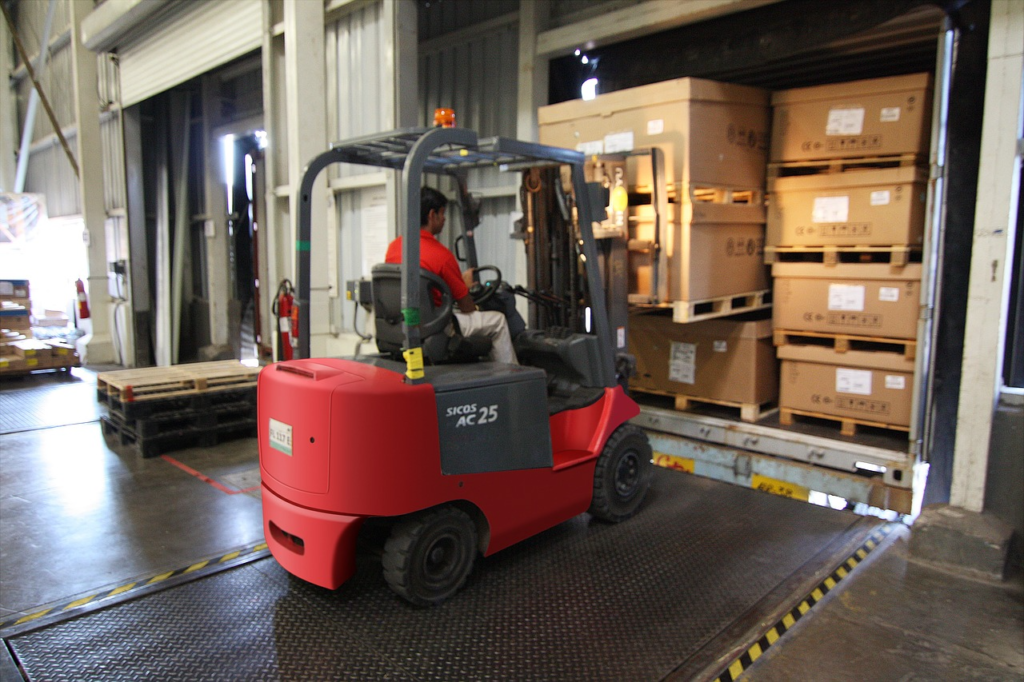
Let’s break down exactly how forklift operators reach that impressive $85,000 annual income mark, because understanding the math helps you plan your career strategically. The path to this earning level typically involves a combination of factors that go beyond just your base hourly rate.
First, location matters enormously. Operators in major urban centers like Toronto, Vancouver, or Calgary typically earn more than those in smaller cities, though the cost of living is also higher. Specialized industries also pay premium rates—for example, pharmaceutical warehouses often pay more because they require additional certifications and adherence to strict quality standards.
| Component | Typical Range | Annual Impact |
|---|---|---|
| Base Hourly Rate | $20-28/hour | $41,600 – $58,240 |
| Shift Premiums | $1-3/hour extra | $2,080 – $6,240 |
| Overtime (10 hrs/week) | Time-and-a-half | $15,600 – $21,840 |
| Specialized Equipment Bonus | $1-2/hour | $2,080 – $4,160 |
As you can see, an operator earning $26/hour base rate who regularly works night shifts (adding $2/hour premium) and picks up 10 hours of overtime weekly can easily surpass $80,000 annually. Add in bonuses for operating specialized equipment like reach trucks or order pickers, and that $85K target becomes very achievable.
Experience also plays a crucial role. Entry-level operators might start at the lower end of the pay scale, but after 2-3 years of solid performance, requesting raises and moving to better-paying employers becomes much easier. Many operators strategically change employers every few years to negotiate significant pay increases, especially if they’ve added new certifications to their skillset.
4.2 Maximizing Earnings with Overtime & Shift Pay
If you’re serious about maximizing your income, understanding Overtime & Shift Pay is absolutely critical. This is where many operators significantly boost their take-home pay beyond the base salary. Canadian labor laws generally require employers to pay time-and-a-half for hours worked beyond the standard workweek (typically 40-44 hours depending on the province).
Here’s a reality that many new operators don’t initially understand: overtime isn’t just available occasionally—many warehouses and distribution centers have consistent overtime opportunities built into their operations. During peak seasons (like the holiday shopping period from October through December), some operators can work 50-60 hour weeks for months straight.
Shift differentials are another significant income booster. Most facilities operate 24/7 and offer premium pay for less desirable shifts. Evening shifts might add $1-2 per hour to your base rate, while overnight shifts (typically 11 PM to 7 AM) can add $2-4 per hour. Weekend shifts often come with even higher premiums, sometimes reaching double-time pay for Sundays or statutory holidays.
Real-World Earning Example
Consider Maria, an experienced forklift operator in a Toronto distribution center. Her base rate is $25/hour. She works the night shift (adding $2.50/hour), totaling $27.50/hour for her regular 40 hours, which equals $57,200 annually. She regularly picks up 8 hours of weekend overtime at time-and-a-half ($41.25/hour), adding approximately $17,160 per year. During peak season (12 weeks), she works an additional 10 overtime hours weekly, adding another $7,425. Her total annual income: $81,785, not including any bonuses or benefits.
The key to maximizing these opportunities is being flexible and reliable. Employers value operators who are willing to adjust their schedules, cover shifts on short notice, and work during peak periods. Building a reputation as someone who shows up consistently and works safely often leads to being first in line when overtime opportunities arise.
5. Finding the Right Employer
5.1 Trends in Distribution Center Hiring
The landscape of Distribution Center Hiring in Canada has transformed dramatically over the past few years, and understanding current trends gives you a significant advantage in your job search. E-commerce giants, traditional retailers expanding online, and third-party logistics providers are all competing for qualified operators.
Major players like Amazon, Walmart, Canadian Tire, and Loblaws have been building massive fulfillment centers across Canada. These facilities often employ hundreds of forklift operators, and they’re constantly hiring due to expansion and turnover. What’s particularly interesting is that many of these companies have established internal training programs and are willing to sponsor work permits for qualified international workers.
The regions with the hottest job markets right now include the Greater Toronto Area (particularly Brampton, Mississauga, and Vaughan), the Greater Vancouver area (especially in Surrey and Richmond), and around major ports like Montreal and Halifax. Alberta’s industrial sector, particularly around Calgary and Edmonton, also offers strong opportunities, especially in warehouse operations supporting the energy and manufacturing sectors.
One trend that international workers should pay attention to is the growth of temperature-controlled warehousing. Cold storage facilities that handle frozen and refrigerated goods typically pay premium rates because the working conditions are more challenging. These facilities are expanding rapidly as online grocery shopping grows, and they often struggle to maintain adequate staffing levels.
5.2 Leveraging Logistics Recruitment Agencies
For international workers trying to break into the Canadian market, working with Logistics Recruitment Agencies can be a game-changer. These specialized staffing firms have established relationships with employers across the country and understand the ins and outs of hiring foreign workers.
Agencies like Randstad, Adecco, and specialized logistics recruiters often have access to job openings before they’re publicly posted. They can also guide you through the LMIA process and help match your qualifications with employers who have sponsored international workers before. This is huge because finding an employer willing to navigate the foreign worker sponsorship process is often the biggest hurdle.
When working with recruitment agencies, treat them as partners in your job search. Be responsive, professional, and honest about your qualifications and availability. Many agencies work on commission from employers, so they’re motivated to place you successfully. However, don’t limit yourself to just one agency—register with several to maximize your opportunities.
Top Canadian Logistics Recruitment Agencies
- Randstad: Large national presence with specialized logistics division
- Adecco: International agency with strong Canadian operations
- GDI Services: Specializes in industrial and warehouse staffing
- Drake International: Long-established Canadian recruiter
- Regional Agencies: Don’t overlook smaller, regional agencies that may have closer relationships with local employers
Some agencies specialize in placing temporary workers, which can actually be a strategic entry point. Temporary positions often lead to permanent employment once you’ve proven yourself, and they give you valuable Canadian work experience that strengthens your resume. Plus, some employers prefer converting temp workers to permanent staff because they’ve already seen your work ethic and capabilities.
Don’t be discouraged if you don’t land a job immediately. The process of securing employment from outside Canada takes persistence. Keep refining your resume to highlight Canadian-equivalent certifications, maintain professional communication with recruiters, and continue building your qualifications while you search.
6. Conclusion
6.1 Seizing the Opportunity
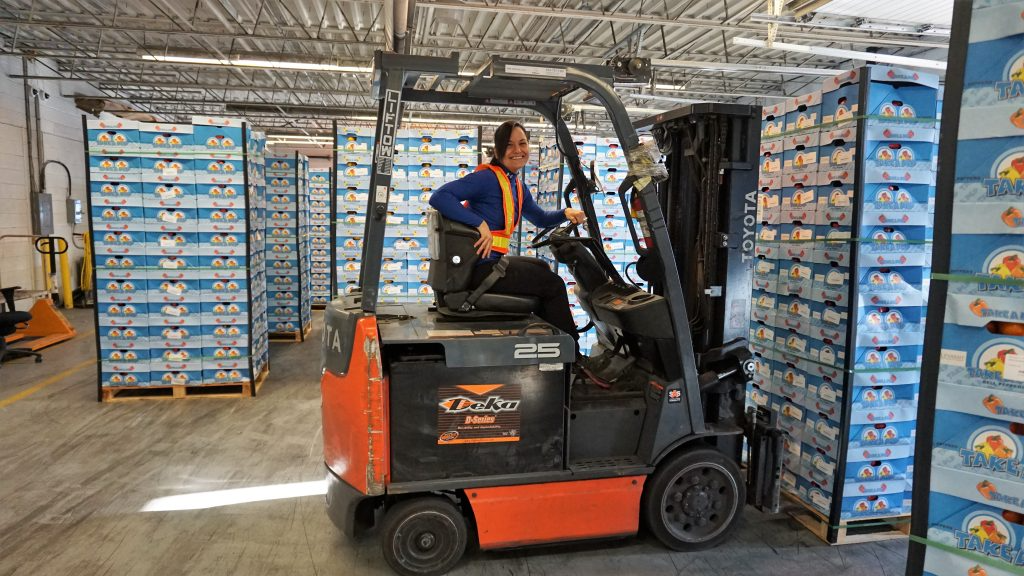
We’ve covered a lot of ground in this guide, from the booming demand in Canada’s logistics sector to the specific steps you need to take to land a high-paying forklift operator position. The opportunity to earn $85,000 or more annually while building a life in Canada is absolutely real, but it requires strategic planning and commitment.
Let’s recap the essential steps to position yourself for success. First, obtain proper certifications—whether that’s OSHA Forklift Certification, Canadian provincial training, or both. Make sure you thoroughly understand Warehouse Safety Compliance and Industrial Equipment Licensing requirements. These qualifications are non-negotiable and form the foundation of your career.
Second, navigate the Skilled Worker Visa process methodically. Connect with Logistics Recruitment Agencies, polish your resume to highlight relevant experience, and be persistent in your applications. Remember that employers looking to sponsor international workers want candidates who demonstrate professionalism, safety consciousness, and reliability.
Third, think strategically about maximizing your earnings. Understanding how Overtime & Shift Pay works and being willing to work less desirable hours can dramatically increase your income. Target Distribution Center Hiring in high-demand regions and industries that pay premium rates.
Ready to Start Your Journey?
The Canadian logistics industry needs skilled, certified forklift operators right now. Companies across the country are expanding their operations and actively seeking qualified international workers. If you’re willing to invest in proper certifications, navigate the immigration process, and commit to excellence in your work, there’s never been a better time to pursue this opportunity.
Start by researching Canadian-recognized certification programs in your area, connecting with recruitment agencies that specialize in logistics staffing, and preparing your application materials. Every step you take today moves you closer to a rewarding career in one of the world’s most stable and welcoming countries.
The path to becoming a well-compensated forklift operator in Canada isn’t always easy, but it’s straightforward if you follow the roadmap we’ve outlined. Thousands of international workers have successfully made this transition, and with Canada’s ongoing labor shortages in the logistics sector, employers are more open than ever to hiring qualified foreign workers.
Your earning potential goes beyond just the salary—consider the quality of life improvements, the stability of working in a regulated environment with strong labor protections, and the potential pathway to permanent residency and eventually Canadian citizenship. For many workers, the forklift operator role becomes a stepping stone to broader opportunities in warehouse management, logistics coordination, or equipment maintenance.
Don’t let the process intimidate you. Take it one step at a time: get certified, build your application, connect with recruiters, and stay persistent. The opportunity is out there, and with the right preparation, you can absolutely become one of the success stories—an international worker who built a thriving career operating forklifts in Canada.
The $85K salary isn’t just a marketing figure—it’s a realistic target for operators who position themselves strategically, work hard, and take advantage of the opportunities available in Canada’s dynamic logistics sector. Your journey starts with a single step. Make today the day you begin.
Disclaimer: This blog post is for informational purposes only and does not constitute immigration or legal advice. Immigration policies, salary ranges, and job market conditions are subject to change. Always consult with licensed immigration professionals and verify current requirements with official Canadian government sources before making career or immigration decisions.
© 2026 | Forklift Operator Career Guide